




What Is a Junk Journal? A Beginner's Guide to Junk Journaling
So, What Exactly Is a Junk Journal?
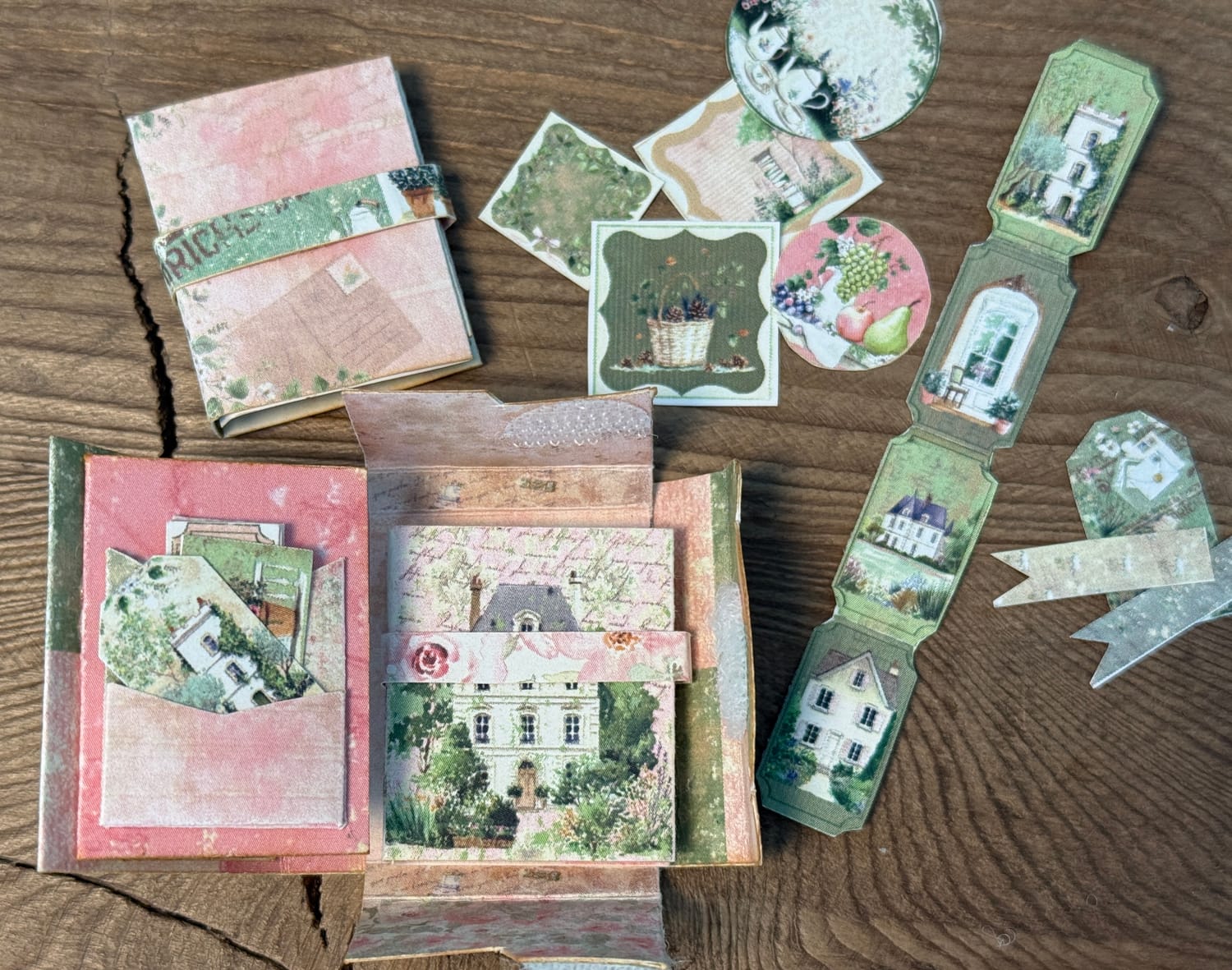
A junk journal is a handmade book pieced together from repurposed materials and decorative paper; the paper can be old book pages, maps, sheet music, printed digital paper, fabric, envelopes, and more. No two junk journals are alike.
The name junk journal comes from the idea that you're giving new life to things that might otherwise be considered "junk.”
For example, a torn book page, a used envelope, a scrap of wrapping paper. But don't let the name fool you: finished journals are often anything but junky. They're rich, layered, and genuinely beautiful.
What Goes Inside a Junk Journal?
This is where junk journals get really fun. A typical journal might include:
Signatures ~ small folded groups of pages sewn or bound together.
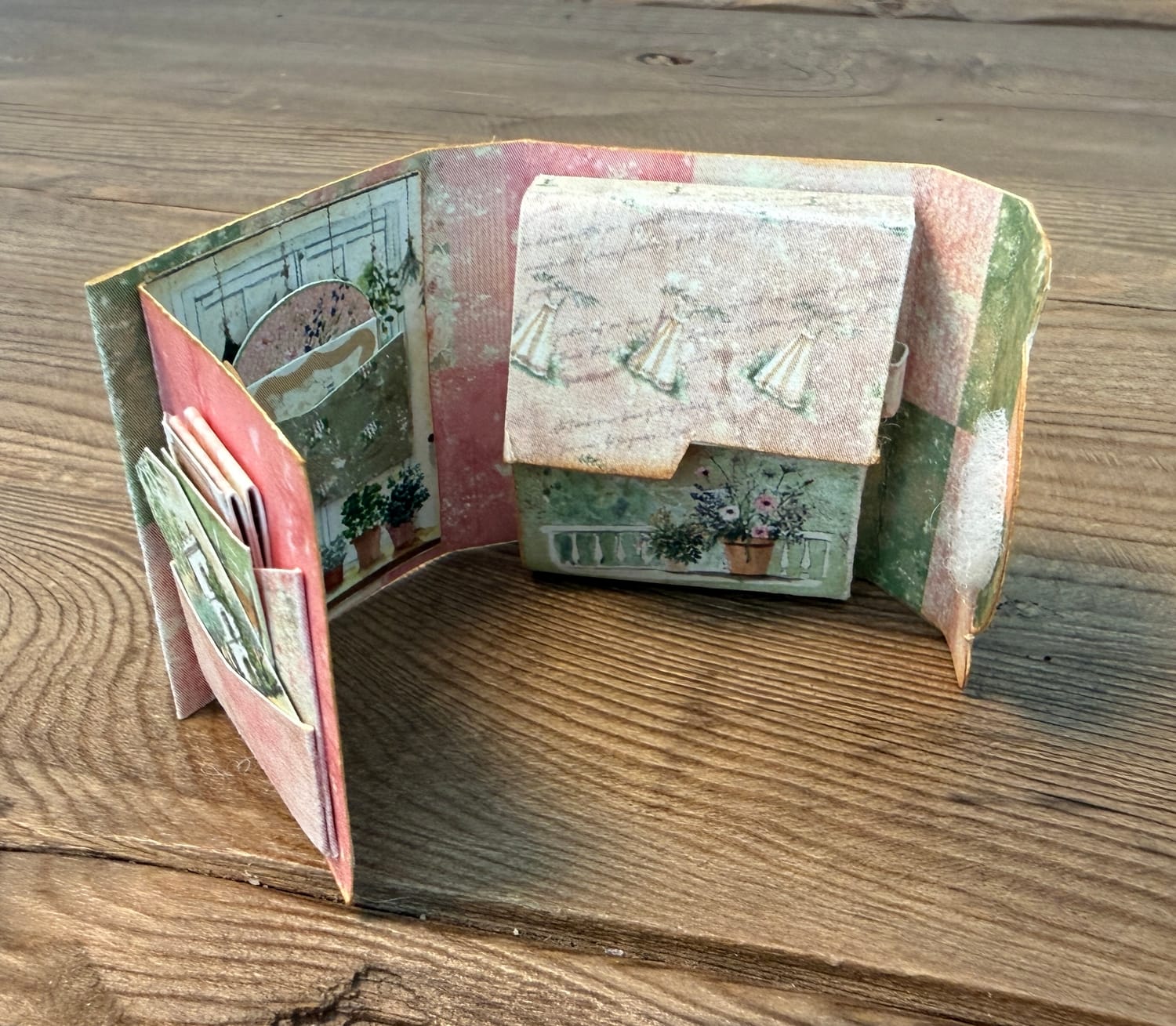
Pockets and tucks ~ little envelopes or folded pages where you can slide in extra ephemera
Ephemera ~ vintage-style paper items like tickets, stamps, postcards, and labels used purely for decoration
Mixed paper types ~ everything from lightweight vellum to sturdy cardstock, often layered together
Embellishments ~ ribbon, twine, buttons, or lace tucked between pages
There's no single "correct" way to build one. Some journals are stuffed with dozens of pockets and layers; others are simple and clean. The materials and structure are entirely up to you.
Junk Journal vs. Scrapbook: What's the Difference?
A lot of people ask this, and it's a fair question; the two overlap. The easiest way to think about it:
A scrapbook is usually built around specific photos and memories, often in a structured album.
A junk journal is more about the book itself as an art piece — the textures, the paper, the tucked-away surprises. You can absolutely use one to hold memories, but it doesn't have to be photo-driven at all.
Junk journals also tend to be handmade from scratch (or from a kit), while scrapbooks are often built in a pre-made album.
Why People Love Junk Journaling
Junk journaling sits at the intersection of a few things people are craving right now: slow, screen-free hobbies; a place to be creative without pressure; and a tactile, nostalgic feel that digital tools just can't replicate. Some people use their journals as a creative outlet, others as a daily planner or gratitude practice, and others purely as an art form to flip through and enjoy.
There's also no "finish line." A junk journal can be a lifelong project, a themed keepsake for a trip, or a one-weekend craft session, whatever fits your life.
How to Get Started
If you're new to junk journaling, you don't need to build everything from scratch to get a feel for it. A great first step is:
Start small. A mini journal with just a few signatures is much less intimidating than a 100-page book.
Use a kit. A pre-designed kit gives you coordinated paper, ephemera, and covers so you can focus on assembly instead of design decisions.
Don't overthink the "junk" part. You don't need genuinely old materials — printable ephemera and designed papers that look vintage work beautifully and are much easier to source.
That's exactly why I design printable junk journal kits, with coordinated papers, ephemera and covers all ready to print, so you can skip the hunting and get straight to the fun part. ✂️ Browse the kits here
Ready to Make Your Own?
Junk journaling is equal parts craft project, keepsake, and creative outlet, and there's really no wrong way to do it. In the next post, we'll break down exactly what a "signature" is and how it becomes the backbone of your journal's structure.
Newsletter
Join the Paper Passion newsletter for new kits, freebies, and subscriber-only discounts. Unsubscribe anytime. 💌
Created with ©systeme.io